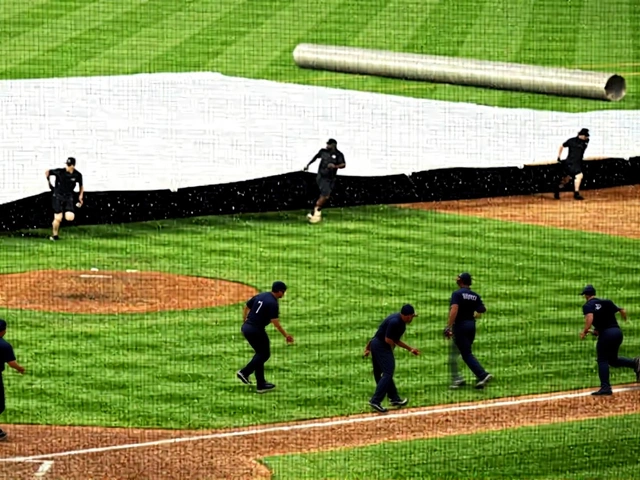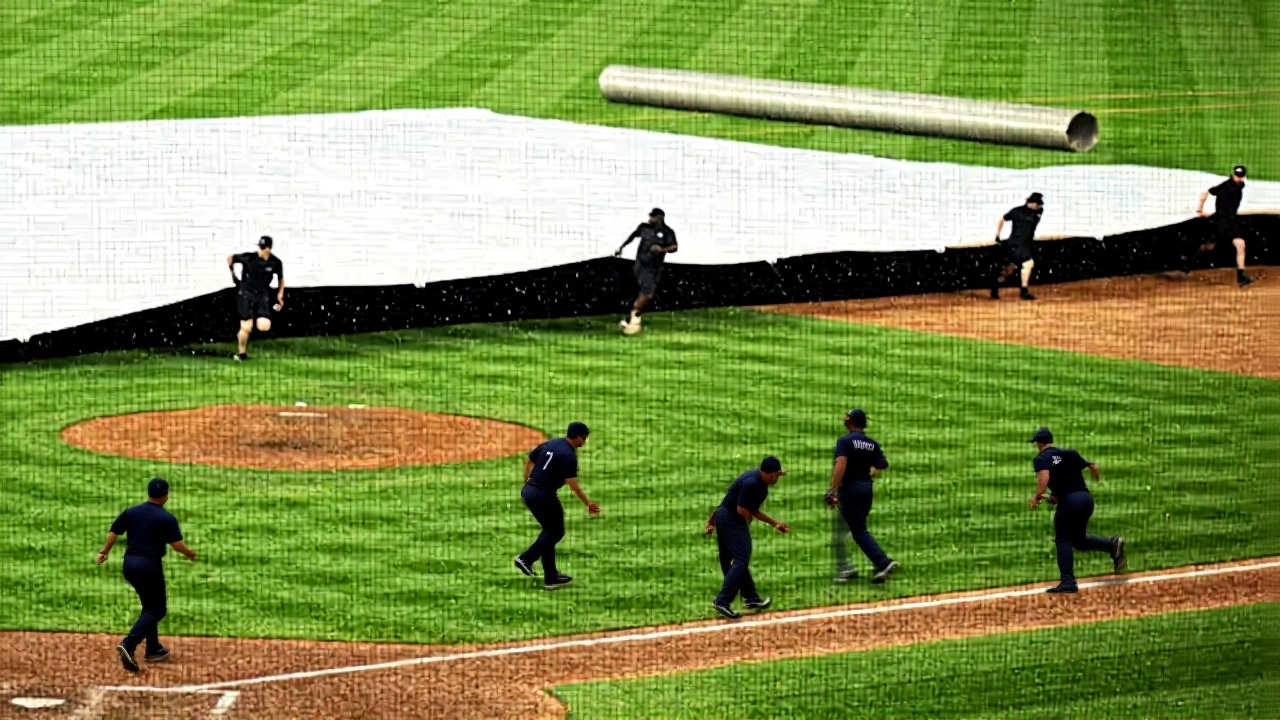
It’s a familiar frustration for baseball fans in the Mile High City: you’re ready to watch some ball, but Denver has other plans. The Sunday afternoon series finale between the Arizona Diamondbacks and the Colorado Rockies was pushed back due to rain and looming thunderstorms at Coors Field. What started as a standard pregame routine quickly turned into a waiting game for everyone involved.
The original first pitch was slated for 1:10 p.m. local time (12:10 p.m. Arizona time). But with forecasts predicting "rain and thunderstorm-filled conditions" that would hit on-and-off throughout the afternoon, officials made the call to delay. It wasn’t just a minor hold-up; the game didn’t start until 2:55 p.m. Denver time—a full hour and 45 minutes later than planned.
When Weather Calls the Shots
Here’s the thing about playing in Colorado: the weather is notoriously unpredictable. One minute it’s sunny, the next you’re dodging hail or lightning. For the Rockies organization, this isn’t a rare anomaly—it’s part of the job description. They’ve had to get really good at communicating these changes to fans who might be stuck in traffic or already in their seats.
The update came directly from the team’s official account on X (formerly Twitter), @Rockies. In an era where social media is the primary news source for sports updates, that quick post saved countless phone calls to customer service lines. Fans learned almost instantly that the new start time was 2:55 p.m. MT / 1:55 p.m. AZ.
This specific incident highlights a broader trend we’re seeing across Major League Baseball this season. It’s not just Denver dealing with Mother Nature’s mood swings. On Friday, May 22, 2026, RotoWire reported that steady rain was likely to cause delays or postponements for games in Baltimore. Meanwhile, the game between the St. Louis Cardinals and Cincinnati Reds scheduled for 6:40 p.m. EST was outright postponed due to rain in Cincinnati.
A History of Postponements
If you think this is unusual for the Rockies, take a look at their recent history. The team maintains a dedicated page on MLB.com for postponed games, which serves as a clear record of how often weather disrupts the schedule. It’s not just a one-off event.
- May 6, 2025: A home game against the Detroit Tigers originally scheduled for 6:40 p.m. was moved to Thursday, May 8, 2025. It was played as part of a traditional doubleheader, meaning two games on one ticket.
- April 18, 2025: A matchup against the Washington Nationals set for 6:40 p.m. was rescheduled to Sunday, April 20, 2025, at 6:10 p.m. This one was designated as the second game of a split-doubleheader, requiring separate admission.
These examples show that when a game gets rained out, the league doesn’t just let it disappear. They pack it into doubleheaders later in the week. For players, that means extra fatigue. For fans, it means potentially higher costs if they want to see both games.
Why This Matters Beyond the Ballpark
Delays like the one against the Diamondbacks ripple outward. Broadcasters have to shuffle schedules. Traveling teams have to adjust their warm-up routines. And fans? They just want to know if they should stay or go.
The Rockies’ strategy of using @Rockies on X for real-time updates is crucial here. According to Sports Illustrated’s FanNation network, specifically their “Inside the Diamondbacks” channel, the clarity of communication helps mitigate fan frustration. When you tell people exactly what’s happening—and why—they’re less likely to feel cheated.
But there’s also a safety angle. Lightning detection systems at Coors Field are sensitive for a reason. Protecting players, staff, and spectators is non-negotiable. Even if it means pushing a game back by nearly two hours, it’s better than risking someone’s life over nine innings.
What’s Next for Fans?
If you’re planning to attend future Rockies games, especially in late spring and early summer, keep your eyes on the sky. The team’s official website and social media channels will remain your best sources for last-minute changes. Check the “Postponed Game Information” page on MLB.com before heading out, just in case your game has been moved to a different date or format.
For now, the Diamondbacks and Rockies will have to settle things under clearer skies—or perhaps under the lights if the storms roll in again. Until then, patience is the only stat that matters.
Frequently Asked Questions
How long was the Diamondbacks-Rockies game delayed?
The game was delayed by exactly 1 hour and 45 minutes. Originally scheduled for a 1:10 p.m. Denver time start, the new first pitch was set for 2:55 p.m. Denver time due to intermittent rain and thunderstorms.
Where can I find official updates on Rockies game delays?
The most reliable source for real-time updates is the official Colorado Rockies account on X (Twitter), handle @Rockies. Additionally, the team’s official MLB.com page features a “Postponed Game Information” section that lists historical and upcoming rescheduled games.
Are other MLB games being affected by weather right now?
Yes. As of May 22, 2026, weather reports indicate potential delays in Baltimore and a confirmed postponement for the game between the St. Louis Cardinals and Cincinnati Reds in Cincinnati due to steady rain.
What happens to tickets if a game is postponed?
Typically, tickets for postponed games remain valid for the rescheduled date. If the game is moved to a doubleheader, the original ticket may cover both games (traditional doubleheader) or just one (split-doubleheader). Fans should check the specific terms on the Rockies’ MLB.com postponement page.
Why does Coors Field experience so many weather delays?
Denver’s high-altitude location makes it prone to sudden, severe thunderstorms during the baseball season. These storms often bring lightning, which poses a significant safety risk, forcing stadium officials to delay games until conditions improve.