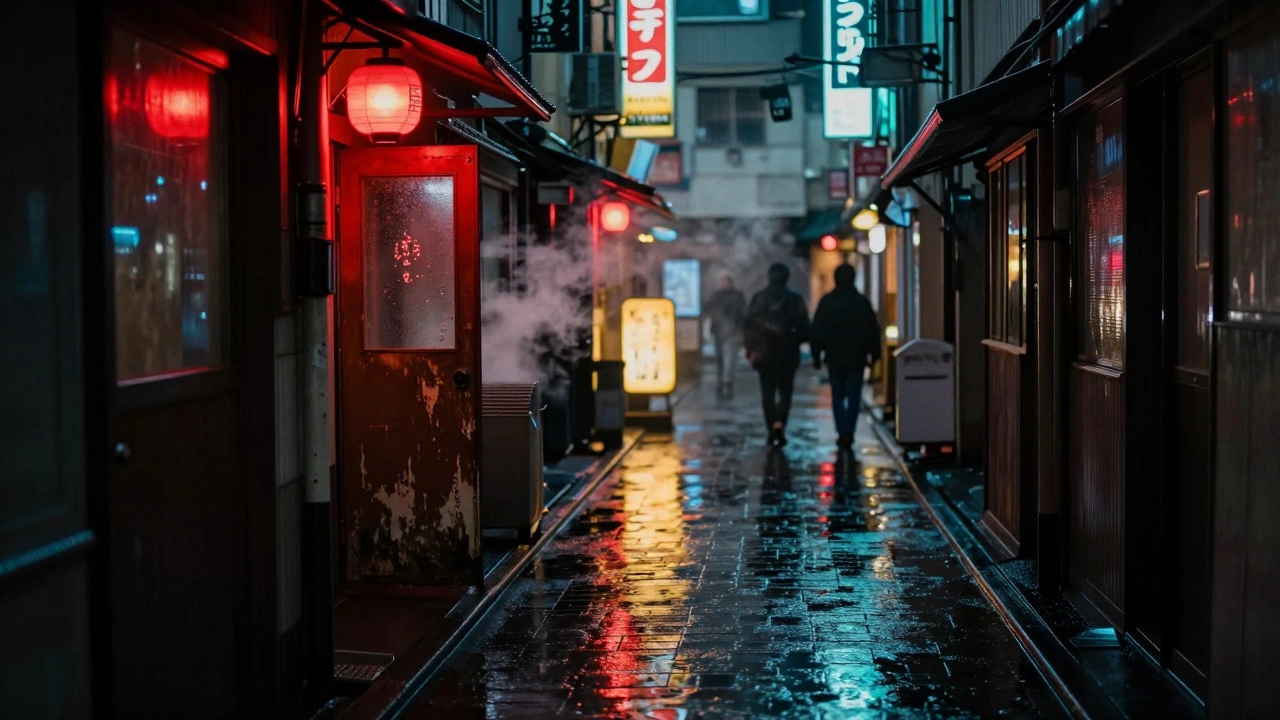
Shinjuku doesn’t sleep. Not really. Even at 2 a.m., the neon still pulses like a heartbeat under the rain-slicked streets. The alleyways between pachinko parlors and izakayas hum with voices that don’t belong to tourists. This is where the city sheds its suit and tie, and the real characters come out to breathe. I was there last Friday, chasing a rumor about a bar called Freshie Juice-no sign, no menu, just a flickering red light above a door that looks like it was forgotten in the 90s. Inside, the air smelled like citrus peel, cheap whiskey, and something sweeter, something older.
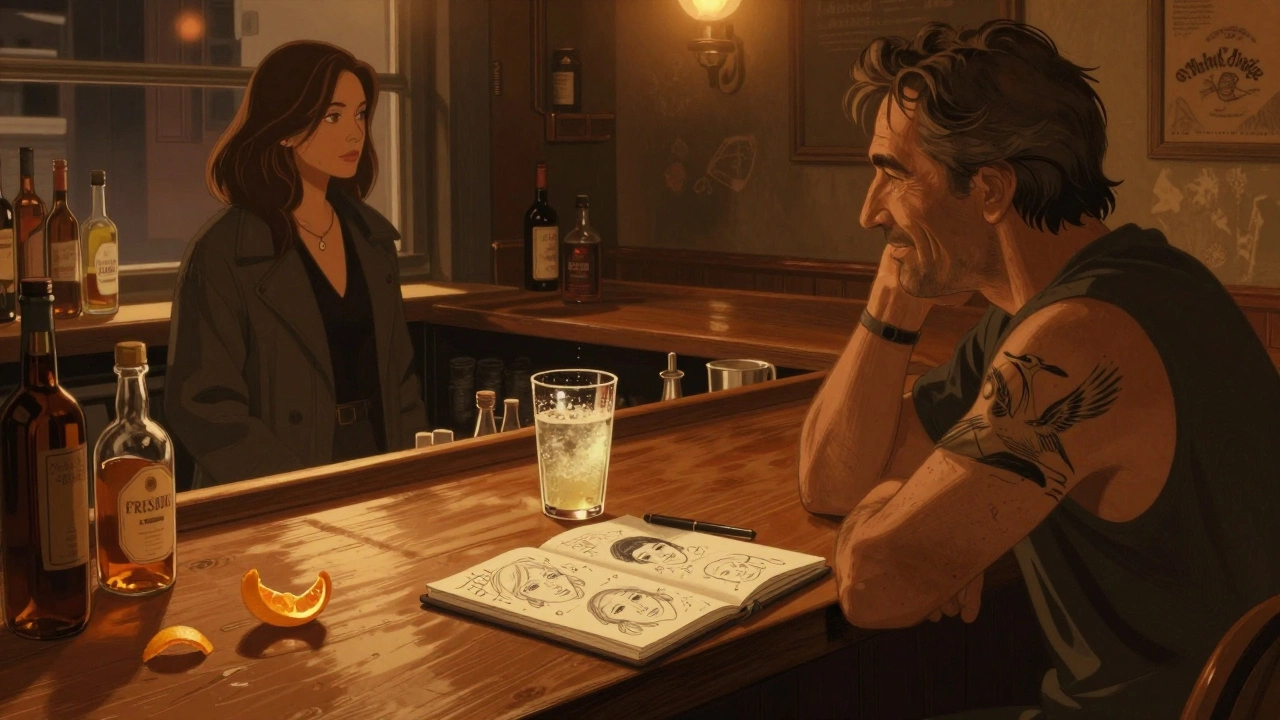
People talk about Tokyo’s underground like it’s some secret society, but it’s not. It’s just people trying to feel alive after a day of rules. One guy at the bar, maybe fifty, with a tattoo of a crane fading up his neck, handed me a glass of something clear and fizzy. "Freshie Juice," he said. "Not for the faint of heart." I drank it. It tasted like lemonade that had been left out in the sun too long, then mixed with something medicinal. He laughed when I winced. "You’re not the first to think it’s poison. You’re not the last to come back."
I asked him why the bar had no name on the door. He shrugged. "Names get you in trouble. Especially here." Then he nodded toward the window. Outside, a woman in a long coat stood under a streetlamp, talking into a phone. Not a tourist. Not a hostess. Someone waiting. She didn’t move for ten minutes. Just watched the traffic. I thought about the escort paris 14 ads I’d seen last week-polished, professional, priced by the hour. That woman didn’t look like she was selling time. She looked like she was holding her breath.
The Weight of the Night
Shinjuku after midnight isn’t about luxury. It’s about survival. The hostess clubs charge 30,000 yen just to sit down. The love hotels on Omoide Yokocho have rooms that cost more than your rent back home. But the real economy? It’s hidden in the backrooms, the late-night pharmacies, the vending machines that sell condoms and energy drinks side by side. People come here to disappear. To be someone else. To forget.
I met a girl named Rina that night. She worked at a karaoke box until 3 a.m., then walked three blocks to Freshie Juice. She didn’t drink. Just sat in the corner, sketching in a notebook. Her drawings were of faces-half-real, half-ghost. She told me she used to be a model. Then she got tired of being told how to smile. Now she draws the people who don’t have the luxury of being seen. "They think we’re broken," she said. "But we’re just tired of pretending to be whole."
Patterns in the Noise
Every city has its hidden rhythms. In Paris, you’ll find them in the 14th arrondissement, where the cafés stay open past midnight and the women who work the streets don’t flinch when the rain comes. In the 9th, it’s the jazz clubs tucked under railway arches, where the music drowns out the silence. In the 5th, near the Sorbonne, students argue philosophy over cheap wine and wonder if they’ll ever be enough.
Shinjuku doesn’t have those labels. There’s no district for "the lost," no official zone for the quiet ones. But they’re here. In the vending machine that dispenses painkillers and tampons. In the old man who sells used books from a cart and remembers every customer’s name. In the woman who sits outside the 7-Eleven at 4 a.m., smoking and watching the sky turn gray. You don’t find them by looking. You find them by stopping.
That’s when you hear the stories. Like the one about the guy who used to be a salaryman, now runs a tiny sauna in Kabukicho where you can pay with silence. Or the girl who writes love letters to strangers and leaves them in public restrooms. One read: "You don’t have to be brave to be kind. Just present."
The Price of Being Seen
There’s a myth that the underground is dangerous. It’s not. The real danger is being ignored. The people who run these places aren’t criminals. They’re caregivers. They keep the lights on when the rest of the city shuts down. They listen when no one else will. At Freshie Juice, the bartender doesn’t ask your name. He doesn’t care if you’re rich or broke. He just makes sure you don’t leave alone.
That’s why the place survives. Not because it’s illegal. Not because it’s exotic. But because it’s honest. In a city where everyone is performing, here, you can just be. Even if that means crying into a glass of lemonade that tastes like regret.
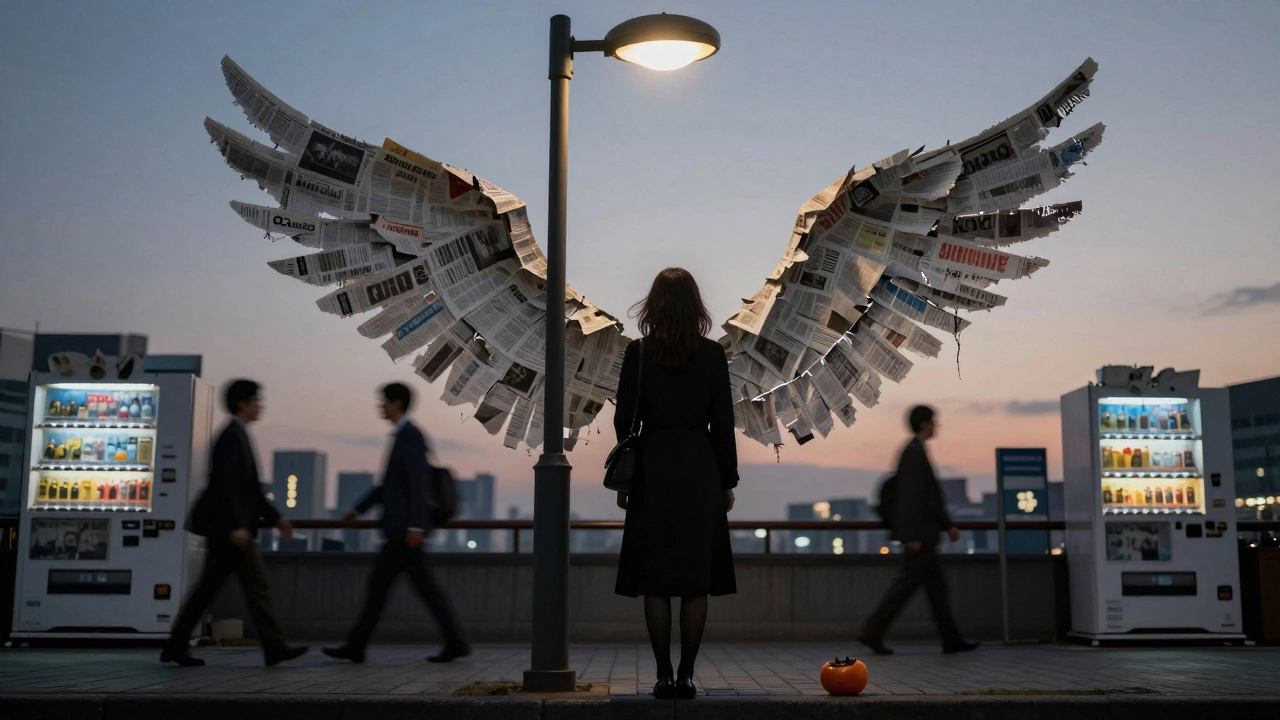
Before I left, Rina gave me one of her sketches. It was of the woman from the streetlamp. Only now, she had wings. Not angel wings. Bird wings. Broken, maybe. But still trying to fly. I asked her if she’d ever leave Tokyo. She smiled. "Where would I go? The same thing happens everywhere. They just call it something else."
The Last Call
I walked back to my hotel at 5 a.m. The rain had stopped. The streets were clean. The vending machines were blinking. Somewhere, a train rumbled under the city. I thought about the escort paris 14 ads again. How they promise connection. How they sell intimacy like a product. But in Shinjuku, intimacy isn’t for sale. It’s offered. Quietly. Without a contract. Without a fee.
That’s the difference.
At the corner of Omoide Yokocho, an old woman was selling grilled corn on a cart. She didn’t speak English. I gave her 500 yen. She handed me the corn and a small paper bag with a single persimmon inside. "For tomorrow," she said in Japanese. I didn’t understand. But I held onto it anyway.
By 6 a.m., Shinjuku was already waking up. The office workers were lining up for coffee. The cleaners were sweeping the sidewalks. The neon was dimming. And somewhere, in a backroom with no name, someone was still awake. Still listening. Still making sure no one left alone.
That’s the real luxury. Not the price. Not the location. Just being seen.
And if you ever find yourself in Paris, and you’re looking for something real, skip the ads. Walk past the polished storefronts. Find the quiet corners. The ones with no signs. That’s where the truth lives. That’s where the escort paris 14 ads don’t reach. That’s where you might find someone who remembers your name-even if you never gave it to them.
Or maybe you’ll just find a persimmon. And that’s enough.